
Nas & DJ Premier: Light Years I Album Review
Album Review
12/18/20254 min read
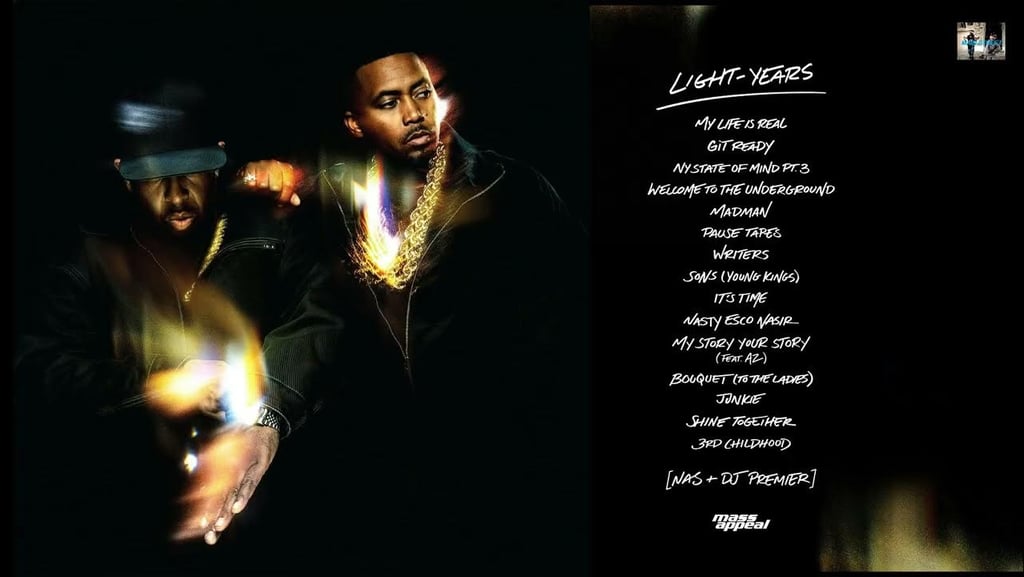
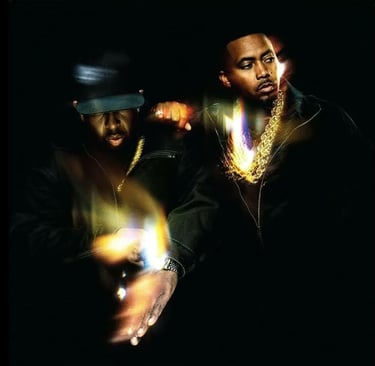
It’s finally here. Light Years, the Nas and DJ Premier album that we have been waiting almost 30 years for, without even knowing if it would ever actually exist.
Let’s be honest. Expectations were impossible. Everyone has had their own version of what a Nas and Premo album should sound like playing in their heads since the late 90s. The “perfect” sound, the ideal balance of grime, soul, and boom bap frozen in time. No matter what they delivered, it was never going to match the album people had privately produced in their imaginations. It’s 2025, hip hop has evolved and so have they.
And yet, in true Nas fashion, Light Years sounds nothing like I expected, which is exactly why it works.
I listened the only way that makes sense to me. Alone, no online chatter, no reviews, no group chat takes. Just me and the music. Within minutes, I realised this album isn’t trying to recreate the past. It’s trying to evoke a feeling. Disco funk, breakin’ energy, that era when hip hop wasn’t just a genre but a whole ecosystem of music, dance, art, attitude, and community. As someone who spent a lot of time in the breaking scene, this mattered. The album doesn’t do nostalgia cosplay. It feels like lived memory.
Not everyone will connect to it in the same way. That probably comes down to age, how you entered hip hop, or whether you’ve ever felt your whole spirit lift when a beat hits like a time machine. And that’s fine. It was never meant to be for everyone. That’s part of what makes it special.
The opener, My Life Is Real, sets the tone perfectly. The beat is sparse, forcing you to listen to Nas rather than him hide in the production. This is Nas opening his chest calmly. No performance of pain, just truth. He reflects on trauma, PTSD, and the weight of growing up in the projects, showing how those early experiences don’t disappear just because you “made it”, you learn to live with them and you can still achieve your wildest dreams and become majorly successful, after all he did. There’s maturity here, not just in reporting hardship, but showing how it gets metabolised and used as fuel over time.
He also honours fallen artists like Big L and Prodigy, framing them as martyrs of hip hop. And then there’s that line that lingers: “Invisible fingers playing chords on my haunted piano.” It’s chilling. That’s the Nas gift, a single image that lands like a bruise and a poem at the same time.
GiT Ready flips the mood instantly. Funky, bouncy, dancefloor ready, but still sharp. It feels familiar without being obvious. Nas is playful here, dragging mafioso rap into the present with crypto references and slick wordplay. It’s a flex, but also documentation. Nas has always been good at recording how the world changes around him be it on a street or technological level.
New York State of Mind 3 was always going to be a moment. Any time you add a “3” to a classic, you’re inviting trial by internet. It opens with Billy Joel before crashing into a dark, sinister beat, a contrast that works as storytelling, reflecting where Nas came from, where he is now, and what the city has always been.
There’s a touching nod to DMX: “Throw on some DMX. His words will live within us.” That hit. I miss X too. My one real issue is the ending, where Premier weaves in the original New York State of Mind instrumental. For me, it felt clunky and distracting, pulling me out of what was otherwise cinematic production.
Welcome to the Underground is my personal skip. Nas is solid lyrically, but the beat just doesn’t connect for me. It happens.
Mad Man is one of the album’s most interesting statements. The intro highlights how hip hop used to be treated versus how it’s treated now, more respect, more money, more industry. Nas frames himself as the artist who’s still doing this to the end. There’s rich 90s imagery, and a line that hit home for me. Nas talking about taking hip hop to symphonies. I’ve seen him at the Royal Albert Hall with an orchestra celebrating Illmatic, and that was a moment. Watching a Queensbridge kid become a global cultural institution is exactly the arc this album keeps circling back to, and I’m here for it.
Pause Tapes is a standout. Using Havoc on the intro is genius, breaking down the pause record era, looping fragments of 70s records, building beats with patience and hunger. Premier turns Havoc’s voice into part of the hook, adds cassette static, and suddenly it feels like you’re listening through analogue memory. Nas matches it with vivid detail, turning dials, chasing clarity through noise. It’s a love letter to a time when hip hop was harder to access and because of that often felt more sacred.
Writers might be the heart of the album. A cosmic beat, intergalactic language, and a direct love letter to graffiti culture. Nas names writers from the 80s and 90s, treating graffiti as history, art, and language. Before the internet, you learned this culture through magazines and fragments. Nas flips it perfectly. He’s a writer too, mic as marker. “Ghetto hieroglyphics” is pure Nas. The ripple effect was real, writers getting messages because Nas mentioned them. That’s respect. This track defiantly made a lot of people smile, including myself.
Tracks like Sons (Young Kings), Shine Together, and Third Childhood show Nas in his grown man era, fatherhood, perspective, generosity, reflection. It’s calm, mature, and never preachy. Sons in particular feels like wisdom passed quietly, including the line that his best stock tip is health.
Nasty, Esco, Nasir is another standout track, Nas across three eras, arguing in the same room, street poet, global icon, elder statesman. Premier’s production is funky and sinister at once, like a mafia soundtrack you can vibe to. The deeper point lands hard. You can be many things at once and still be yourself. You can do what you love and not compromise your morals and still make a living out of it.
Final thoughts. Light Years is layered. Some beats take time. A couple may never land. But lyrically, Nas is sharp, imaginative, and deeply present. This is an album that rewards sitting with it, not skimming it. You’ll catch lines on the third listen you missed on the first.
It captures old school hip hop energy without being stuck in the past. Nostalgic, futuristic, sometimes both at once. More than anything, I’m grateful. We didn’t even know if this album would ever exist. Now it does. And that matters.